Following distance remains one of the leading factors in rear-end crash liability
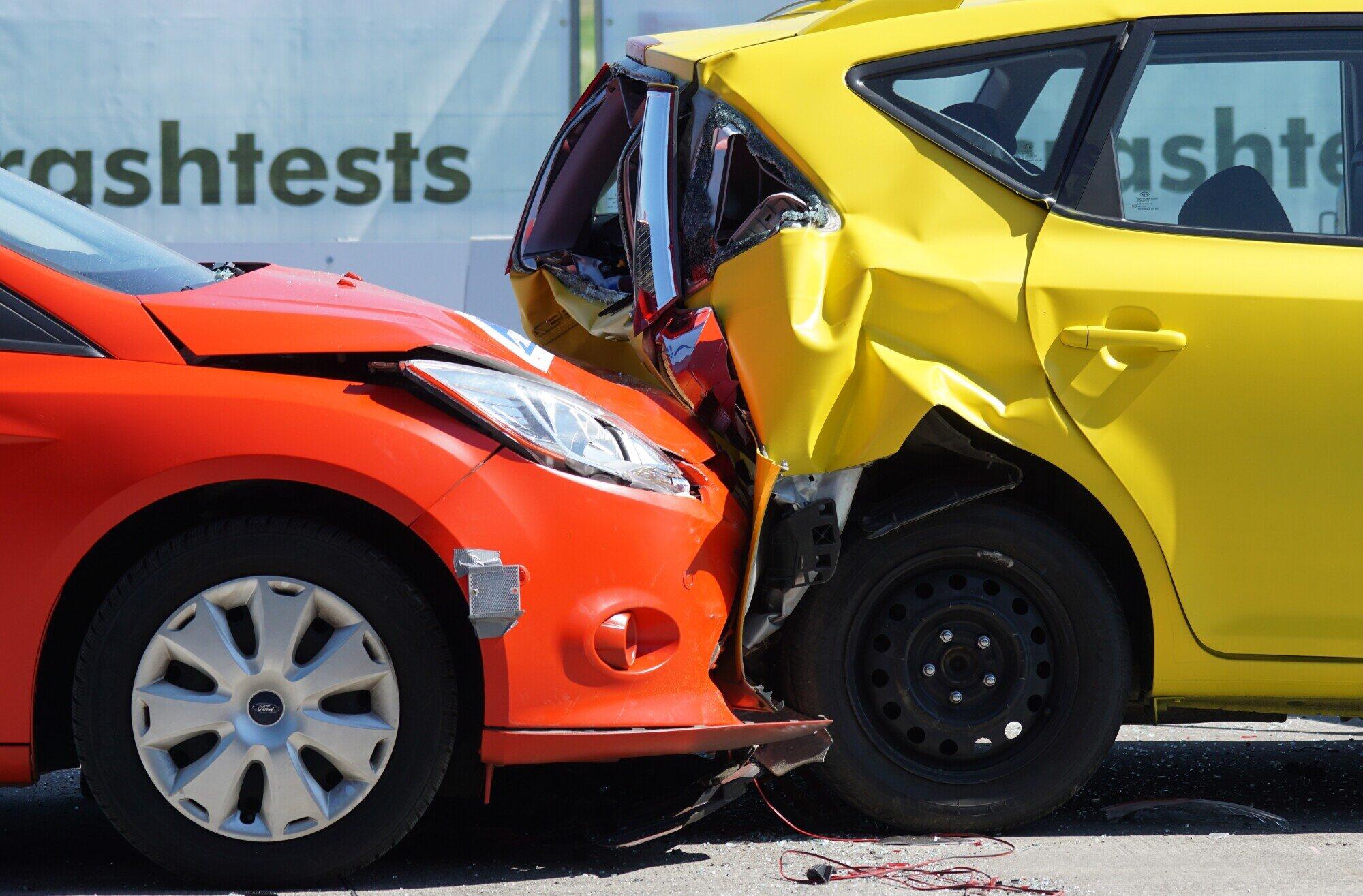
Following distance is one of the leading factors in rear-end crashes because it increases crash risks, giving drivers almost no time to react in case of a sudden stop by the front driver, and liability in rear-end collisions is on the rear-end driver.
Rear-end collisions are the most common kind of road traffic accident, with 1.8 million of them occurring in the United States every year, accounting for 27.8% of all accidents, according to LookupAPlate.com. There are many reasons for rear-end collisions, of course, like distracted driving, speeding, and more.
The leading factor, though, in rear-end crashes is following distance. Too many people aren’t leaving enough space between themselves and the car in front of them, resulting in a crash. Rear-end crash prevention, thus, seems very easy: avoid following too closely.
Why Following Distance Matters
Why does maintaining safe distances matter so much? It gives you the space and time to react in case something goes wrong or anything changes in front of you.
Traffic can slow suddenly due to:
- Congestion
- Road hazards
- Weather conditions
- Construction zones
- Pedestrians
- Other vehicles entering the roadway
When drivers leave sufficient room between vehicles, they are generally better positioned to brake safely or take evasive action when necessary. Driver safety depends on keeping a safe following distance, no matter what.
When following too closely, even a brief delay in reaction time can significantly increase the risk of a collision.
The faster a vehicle is traveling, the more distance it typically requires to stop safely.
Tailgating Increases Crash Risks
Drivers who follow another vehicle too closely may underestimate stopping distances or overestimate their ability to react quickly. If the lead vehicle slows or stops unexpectedly, the trailing driver may not have enough time to avoid impact.
Tailgating can occur for many reasons, including:
- Impatience
- Aggressive driving
- Heavy traffic
- Simple inattention
Regardless of the cause, inadequate following distance often creates conditions where accidents become more likely. Safe driving starts with every driver making better choices.
Liability in Rear-End Collisions Often Focuses on Driver Responsibility
Drivers are generally expected to operate their vehicles in a manner that allows them to stop safely under existing conditions. This includes accounting for:
- Traffic speed
- Road conditions
- Visibility
- Weather
When a driver strikes the rear of another vehicle, questions often arise regarding whether enough space was left to respond appropriately.
While every accident involves unique circumstances, following distance frequently becomes a key factor in determining liability. If you are interested in learning more, here’s rear-end accident fault explained in detail.
Rear-End Crash Prevention Starts With Safe Driving
Following distance continues to be one of the leading factors in rear-end crash liability because it directly affects a driver’s ability to respond to changing road conditions. If you are following too closely to the car in front of you, you will not have enough time or space to react if they stop suddenly.
Safe driving starts with you making the right decisions on the road every single time. Please check out related articles on our website for more content.