How contractors are rethinking the risks of loading heavy equipment
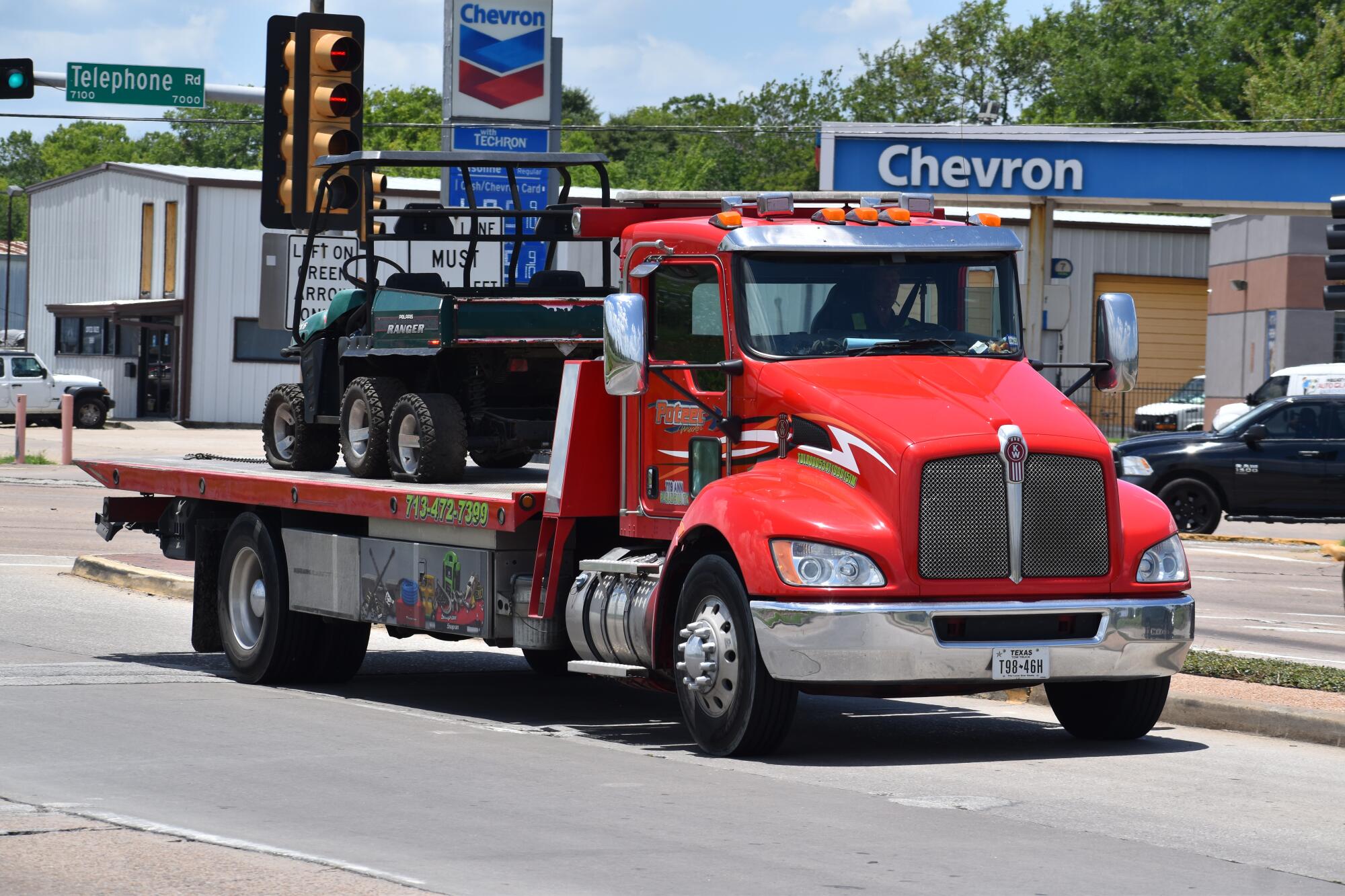
In an effort to keep up with the rise in the number of accidents at job sites, as well as increased insurance fees, contractors are now prioritizing proper heavy equipment training and loading. Rather than rushing to have equipment moved, companies are now taking a more careful approach to proper training and equipment handling techniques.
Statistics from the Bureau of Labor show that there were 5,070 workplace fatalities in 2024. These numbers show how just one accident while loading equipment could have disastrous consequences. Contractors nationwide are adopting new strategies for safe loading.
Why Has Loading Heavy Equipment Become a Bigger Concern?
Heavy equipment used on construction sites is constantly getting bigger and more complicated. Machines like skid steers, excavators, bulldozers, and loaders now require more careful planning before transport begins.
Rushed loading operations are often associated with avoidable problems and accidents on construction sites.
Insurance companies have become especially sensitive toward construction accidents due to the increased costs of machine repair and medical treatment, as well as potential lawsuits. In response to increased costs, the majority of companies are now spending money on prevention and safety training.
How Contractor Loading Strategies Are Evolving
Contractor loading practices today are more geared towards preparation. This includes verifying the:
- Trailer capacity
- Ramp capacity
- Tire condition
- Weather conditions
Some contractors prefer employing spotters while loading equipment for better visibility. This also helps reduce the risk of making errors that may result in accidents or equipment malfunction.
Some companies now rely on specialized transportation equipment like a Drop Deck Trailer because lower deck heights can improve stability and make loading easier for certain types of machinery. Another way contractors ensure their machines are moved safely is by using high-end technology, including backup cameras, tire pressure gauges, and even load sensors.
Why Are Safe Loading Techniques Important?
Safe loading techniques are now widely recognized as crucial for successful construction work. Training workers in proper techniques of chain placement and machine balancing, as well as avoiding trailer movement while loading, helps ensure worker safety.
Statistics by the National Safety Council show that nearly 4 million medically consulted workplace injuries occur each year. Proper loading procedures can help lower those risks significantly.
Risk Management in Construction Is Changing Fast
Modern risk management in construction goes beyond basic job safety considerations to include transportation and loading considerations. In some instances, loading supervisors are hired in order to ensure less rushed and improved safety checks during equipment transport.
There is also an increasing trend toward accidents on construction sites related to loading and working with heavy machinery and equipment. The Work Zone Safety Information Clearinghouse reports that work zone fatalities have increased over the past decade.
In response, businesses have introduced stricter loading policies, as well as additional requirements for drivers’ certification. Proper planning prevents the most costly mistakes.
Why Contractors Are Taking Heavy Machinery Safety More Seriously
One accident with construction machinery could result in worker injury, project delays, damaged company reputation, and additional expenses. That is why contractors are now focusing more on equipment training and safer transportation.
Smarter loading practices and safety systems are helping reduce risks tied to heavy equipment across the construction industry. Keep exploring our website to learn more about the latest news and trending topics.