The growing trend of integrating plants in architectural design
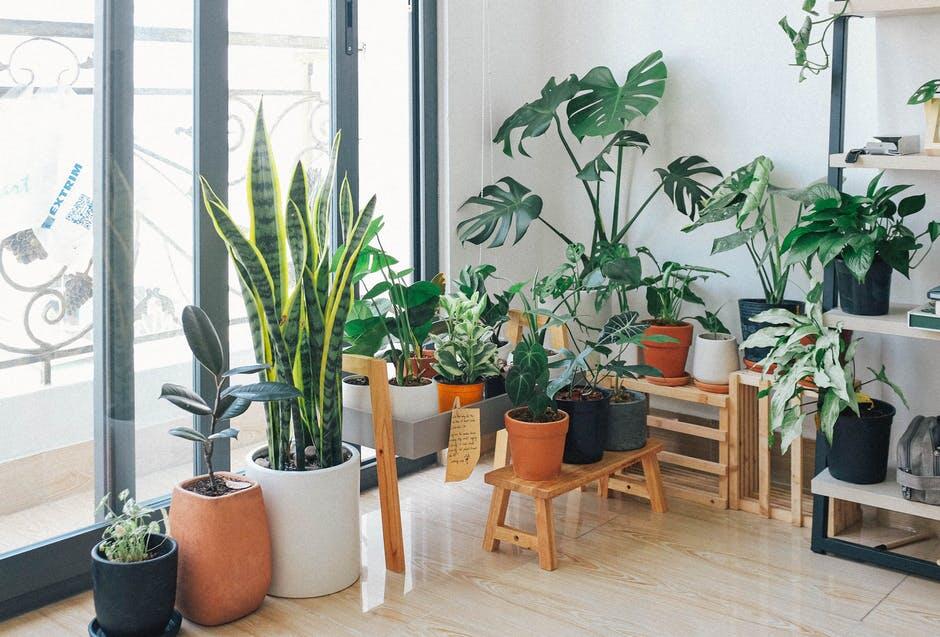
Plant integration into architectural design has gone beyond a decorative afterthought, as this feature makes it easier to consistently connect with nature, which can improve one’s mood by reducing anxiety and depression. Instead of simply keeping them in pots, you have living green walls, green roofs, and native rain gardens to consider when developing a space.
Trees and grass are known for producing oxygen and absorbing carbon dioxide outdoors, and these same plant qualities can help improve indoor air quality, according to NASA research. With the popularity of biophilic design, people can enjoy colorful aesthetics, scents, mental health, and ecological benefits, such as better drainage outside.
How Can I Add Plants to My Architectural Design?
One of the most popular sustainable design strategies involves the use of native gardens. Check what your USDA growing zone is so you know which native seeds and plants you can establish in your garden. From flowers to vegetables to trees, there is a variety of vegetation that you can incorporate in your front yard, backyard, or inner courtyard.
If you live in a damp environment with constant rain runoff, mitigate that with a beautiful rain garden that will catch runoff and naturally filter groundwater. Once your rain garden is established, the natural processes of biodiversity will sustain it, and you can expect to see lots of friendly creatures, from butterflies to native birds, around.
Create a storybook-like feel by adding PVC window boxes to hold some of your favorite flowers and plants. You can also add some freestanding boxes on your deck and patio to host tall plants and small trees, which can also act as a privacy barrier.
What Are Plant Integration Benefits?
By integrating plants throughout your indoor and outdoor environment, you can regulate humidity and filter toxins, like formaldehyde and benzene. Help reduce sick building syndrome as plants have been linked to a 25% decrease in health symptoms such as headaches and fatigue.
Because plants have a natural cooling effect, they provide temperature modulation. The mental health benefits of interacting with and viewing plants include lower blood pressure and reduced stress. Plants also provide a natural space for meditation, which can help practice mindfulness throughout the day.
What Should I Consider During Green Integration?
To ensure that you can properly upkeep your plants, focus on native ones as they are more adaptable to their environment. You may also want to use some evergreens outside if you’re in a seasonal area. Plus, remember that living plants need light and water.
Other Biophilic Design Elements to Consider
When it comes to biophilic design, don’t forget to go beyond plants to truly get in touch with natural elements. Therefore, your space design should also consider:
- Natural lighting
- Water features like fountains
- Airflow and ventilation
- Natural fire and heat, such as firepits
Create a Green Space In More Ways Than One
As you can see, architectural design goes beyond concrete and bricks as living elements, such as plants, are becoming important for connecting with nature throughout the day. Luckily, being indoors no longer means being away from nature, as living walls and indoor gardens are now the norm.
If this article left you green with joy, review our website for other health and home-related content.